In the heart of Ethiopia, the Kafa Biosphere Reserve is a haven for biodiversity and natural beauty — home to enchanting Afromontane cloud forests that are not only breathtaking but crucial to the region’s ecosystem.
What is a cloud forest?
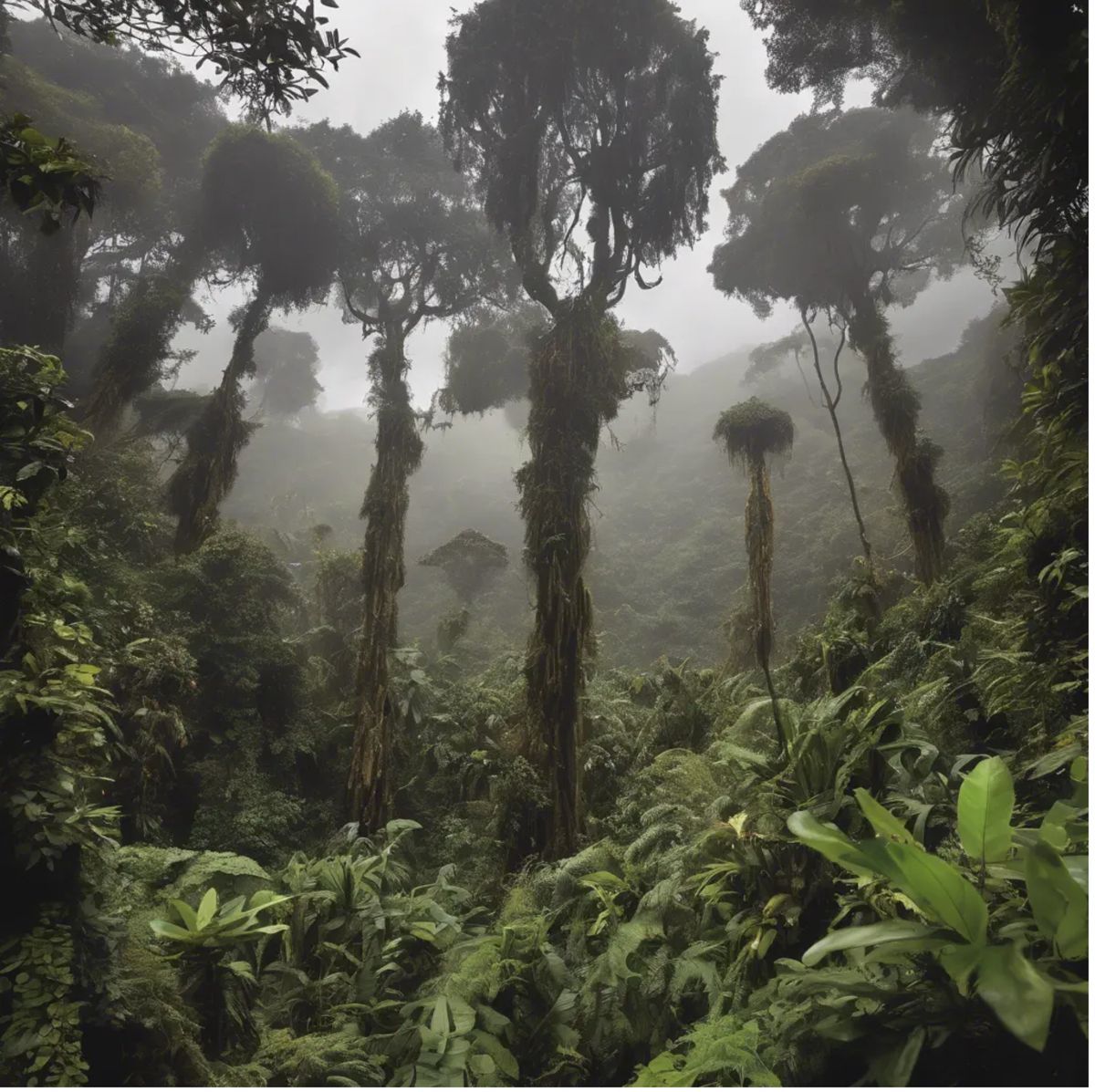
Afromontane cloud forests are a type of tropical montane cloud forest found in Africa. They are characterised by high altitude, persistent cloud cover and unique vegetation. Frequent fog significantly reduces evapotranspiration and maintains a humid environment ideal for a wide variety of plant and animal life.
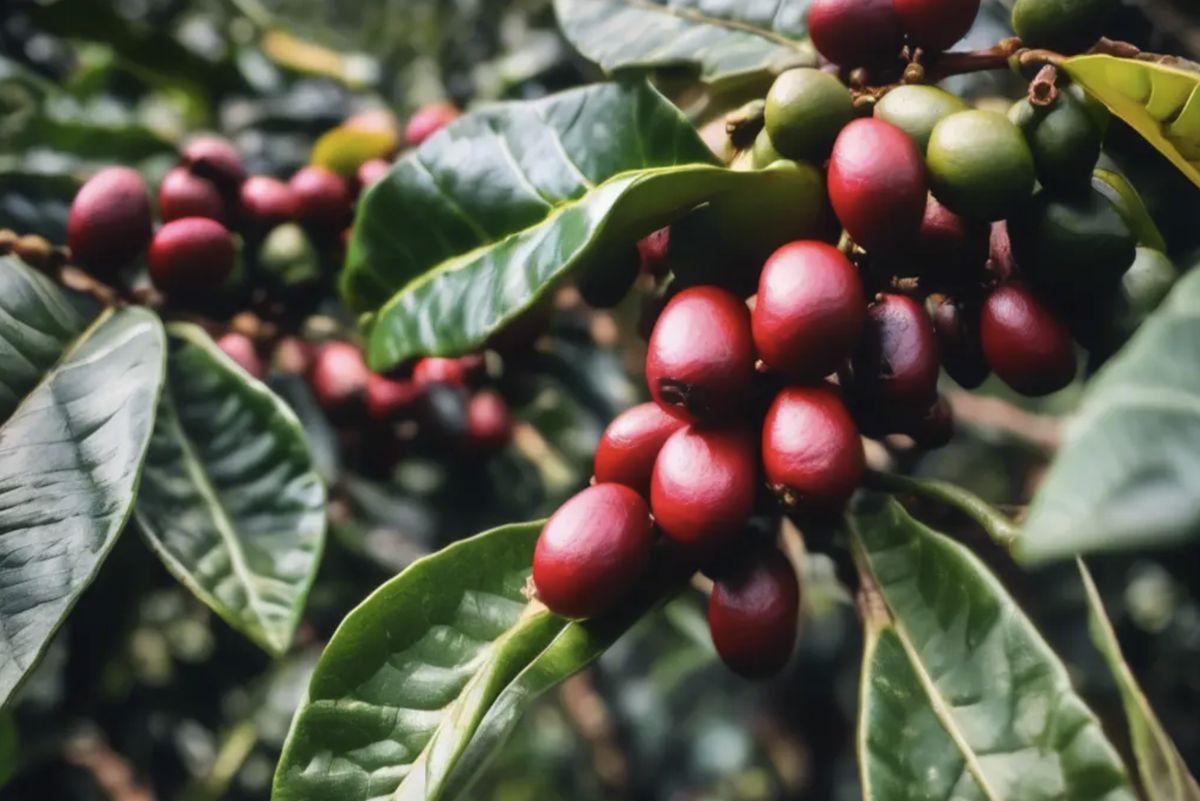
The Kafa Biosphere Reserve, about 460 km southwest of Addis Ababa, is a UNESCO-designated area known for its incredible biodiversity. It covers over 760,000 hectares, around 352,000 of them forested, and is renowned as the birthplace of wild Arabica coffee.
Ecological characteristics
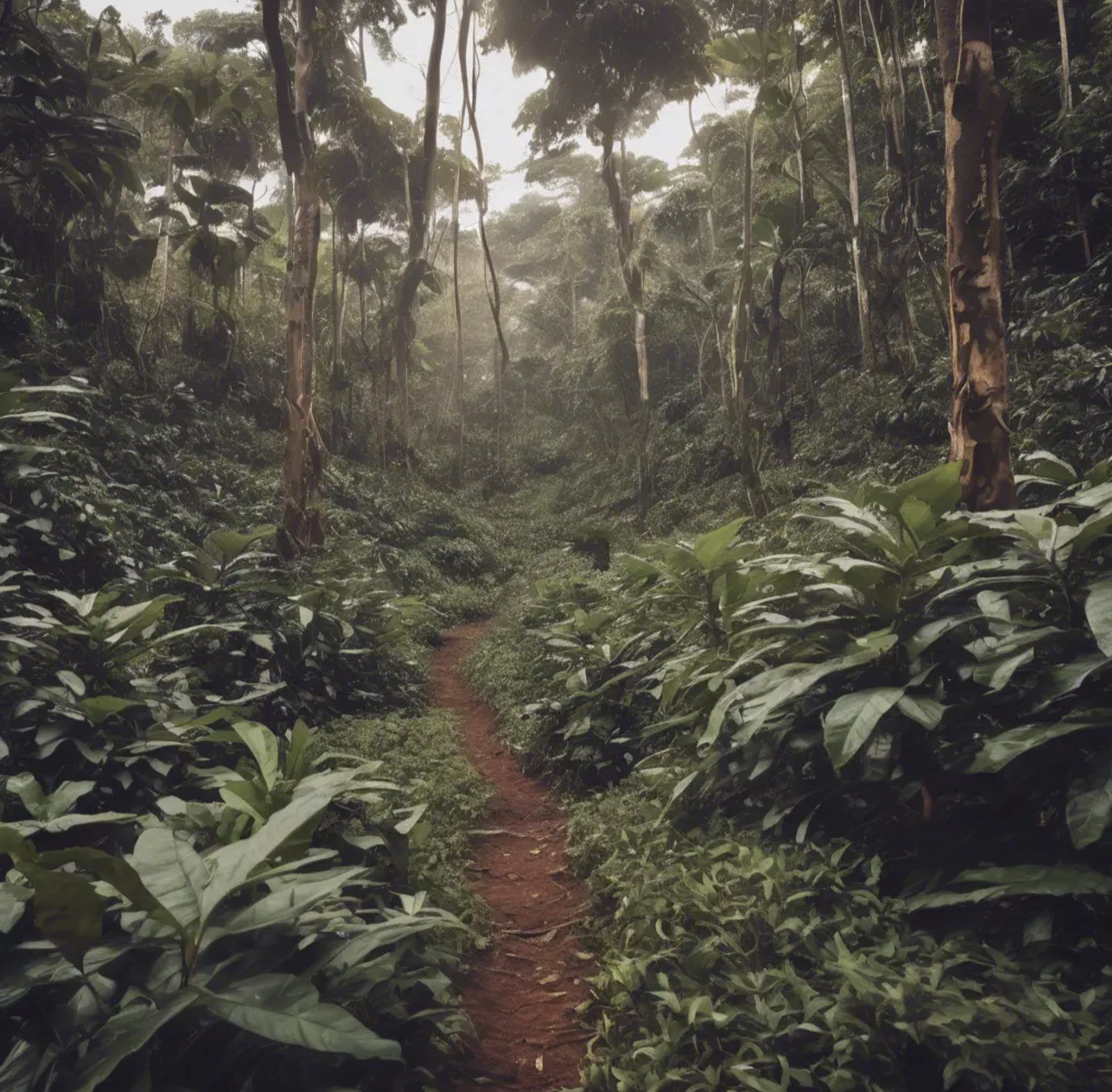
Kafa’s cloud forests are part of the Eastern Afromontane Biodiversity Hotspot. They are characterised by:
Vegetation structure
Dense, compact crowns. Trees are shorter and more heavily stemmed than in lowland forests, with gnarled trunks and branches.
Biodiversity
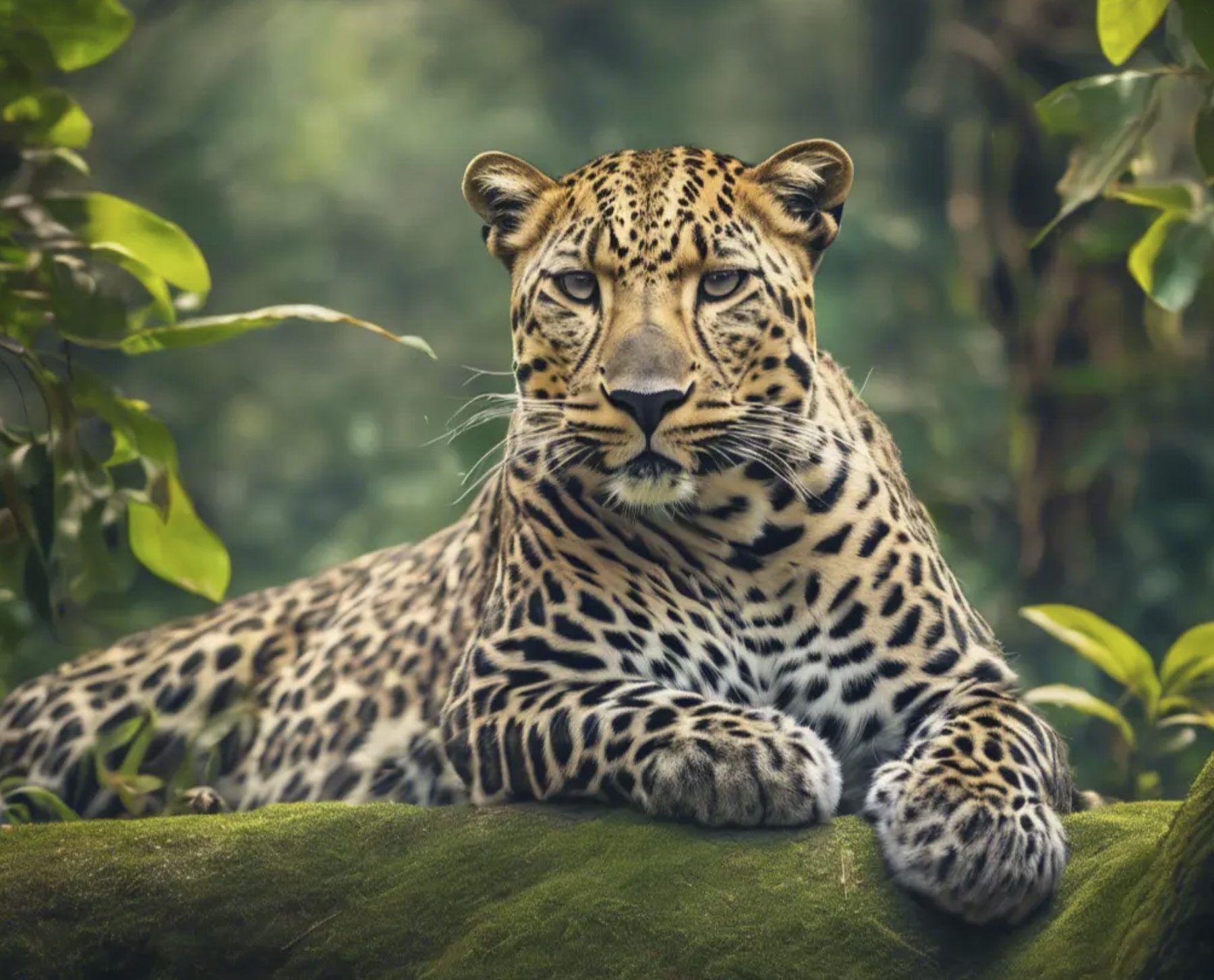
More than 244 plant species, many endemic, and a rich fauna including lions and colobus monkeys.
Epiphytes and mosses
A high biomass of bryophytes, lichens and ferns growing on the trees themselves.
Why cloud forests matter
Regulate water
They capture moisture from fog, which drips to the ground and feeds local water sources.
Support communities
Water, food and building materials for the people who live around them.
Biodiversity hotspots
Among the most biodiverse ecosystems on Earth, rich in endemic species.
“Preserving these forests is essential for biodiversity and for the communities around them.”
Challenges and conservation
Despite their importance, Afromontane cloud forests face threats including deforestation and unsustainable development. Kafa’s UNESCO designation underscores efforts to balance conservation with sustainable development, and initiatives like those by NABU work to raise awareness and protect these ecosystems for generations to come.